A Guide to Common Dental Procedures: Knowing What to Expect at Your Visit
Understanding typical dental procedures can greatly minimize anxiety for individuals. Most people are unsure about what to expect during their dental visits. From basic cleanings to intricate procedures, every stage serves a vital purpose in supporting overall oral wellness. Knowing the process can instill reassurance and ease concerns. However what specifically unfolds during these treatments, and how can a patient get ready for them? The responses could provide the peace of mind needed for a smoother visit.
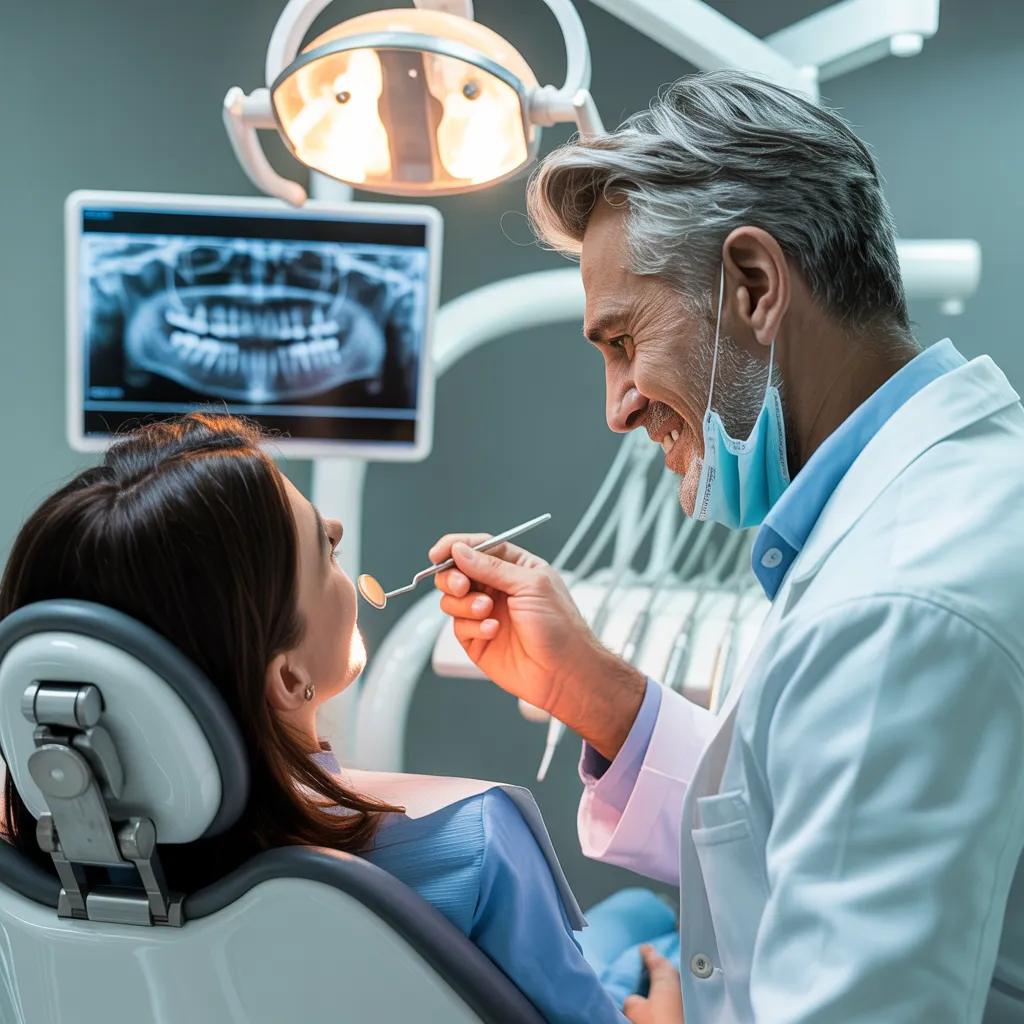
The Root Canal Procedure: What to Anticipate
What takes place during a root canal treatment? The process typically begins with the dentist administering local anesthesia to numb the affected area. Once the patient is comfortable, the dentist creates an opening in the tooth to access the pulp chamber. The damaged or infected pulp is subsequently extracted with precision using specialized dental tools. Once the root canals have been cleaned and shaped, the dentist thoroughly disinfects the region to eradicate harmful bacteria.
After this step, the canals are sealed with a medically safe material called gutta-percha to secure them and eliminate the risk of reinfection. The access point is provisionally sealed, and the patient may be advised to return for a crown or permanent filling to restore the tooth's structure and function. During the entire process, the dentist guarantees that the patient stays at ease, responding to any questions or worries that emerge. In the end, the objective is to eliminate pain and retain the patient's natural tooth.
Essential Things to Know Before a Tooth Extraction
Planning for a tooth extraction entails a number of key factors to ensure a successful procedure and healing process. Initially, patients ought to book a consultation with their oral care provider to go over their health history, prescribed medications, and potential allergies. Such details assist in identifying the appropriate anesthesia and potential complications.
It is often recommended for patients to abstain from consuming food or beverages for a few hours before the extraction, especially if anesthesia will be administered. Additionally, organizing a ride home after the extraction is important, as anesthesia can compromise driving ability.
Patients are advised to plan for a healing period, reserving time to recuperate and comply with post-operative care instructions. This may include managing pain with prescribed medications and adhering to dietary restrictions, such as consuming soft foods.
Fillings Explained: When They Are Necessary and Why
Dental fillings play a vital role in restoring teeth that have suffered damage from cavities, decay, or trauma, as they aid in preserving oral health and reducing the risk of additional complications. When a dentist identifies a cavity, the decayed portion of the tooth is removed, and the space is filled with a suitable material. Popular filling materials, including amalgam, composite resin, and gold, each deliver unique benefits when it comes to durability and visual appeal.
Fillings are necessary not only to alleviate pain caused by decay but also to prevent bacteria from entering the tooth, which may result in more serious complications like infections or the loss of a tooth. Regular dental check-ups can help identify the need for fillings early, ensuring timely intervention. Patients may experience some sensitivity post-procedure, but this typically subsides within a few days. Gaining a clear understanding of why and how fillings are performed can reduce apprehension and encourage a more proactive approach to dental health.
A Routine Dental Cleaning: What Should You Expect?
Even though numerous patients may feel anxious about their next appointment, experiencing a routine dental cleaning can be a straightforward and beneficial process. When they arrive, patients generally fill out a health form and can address any questions with the dental hygienist. The procedure typically starts with a comprehensive assessment of the teeth and gums.
Subsequently, the hygienist uses advanced tools to eliminate plaque and tartar deposits from the teeth. This scaling procedure is commonly accompanied by a gentle polishing with a fine-grit toothpaste, leaving teeth feeling smooth and clean. Patients may additionally receive flossing and education about effective oral hygiene methods to maintain oral health at home.
Lastly, the dentist will carry out a concise evaluation, delivering advice and recommendations for ongoing care. In general, regular dental cleanings not only improve mouth health but also contribute considerably to lasting dental health.
How Dental X-Rays Play a Key Role in Your Oral Health
Dental X-rays serve a vital function in preserving oral health by uncovering hidden problems that are often not detectable during a regular dental checkup. They empower dental specialists to track a patient's oral health progress over time and develop effective future treatment plans. Recognizing the significance of these diagnostic tools is essential for ideal dental care.
Identifying Hidden Concerns
When individuals schedule routine dental appointments, the importance of dental X-rays often becomes apparent, as these scans uncover concealed problems that may go unnoticed during a routine check-up. Dental X-rays serve as essential instruments for identifying cavities hidden between teeth, evaluating bone health, and identifying infections in the roots. These images can also reveal problems like teeth that have failed to erupt properly or jawbone deformities. By delivering comprehensive insight into the mouth's hidden anatomy, X-rays enable dental professionals to develop targeted care strategies tailored to individual needs. Without these diagnostic images, numerous dental conditions might remain unidentified, resulting in more severe health consequences. Regular X-ray evaluations are essential for preserving optimal oral wellness and avoiding complications later on.
Managing Dental Health
Routine dental visits often incorporate X-rays as an essential component of overseeing oral wellness. These radiographic methods enable dentists to identify issues that are not visible during a standard examination, including cavities, bone loss, and abnormalities in tooth roots. Through offering a comprehensive look at oral structures, X-rays facilitate early diagnosis and intervention, which helps avoid more complex problems. They also help in evaluating the success of current dental procedures and guaranteeing that oral health developments are swiftly managed. Periodic X-ray examinations promote a preventive strategy for preserving oral wellness, guaranteeing individuals obtain personalized treatment suited to their unique requirements. In summary, X-rays serve as vital instruments examine guide for protecting lasting dental wellness.
Preparing for Future Treatments
A thorough understanding of oral health relies heavily on the information delivered by dental X-rays. These images serve as a vital tool for dentists in planning future treatments. By exposing problems that are often invisible during a conventional examination, X-rays can pinpoint cavities, bone loss, and additional oral conditions in their early phases. This information enables practitioners to devise tailored treatment plans, ensuring timely interventions that can prevent more severe complications. Moreover, X-rays play a role in tracking the success of active treatments and modifying plans accordingly. Overall, including dental X-rays as part of routine visits not only elevates the standard of patient care but also fosters long-term oral wellness by allowing early intervention on potential problems.
Tips to Ease Dental Anxiety Before Your Visit
What are some ways patients can successfully handle dental anxiety prior to an appointment? An excellent method is to arrange visits during off-peak hours to limit stress. Incorporating calming techniques, such as controlled breathing or mental visualization, can further help ease tension. Patients may consider bringing a support person to provide comfort and distraction.
Furthermore, familiarizing oneself with the dental office environment can reduce apprehension. Many find it beneficial to discuss concerns with the dentist beforehand, enabling a clearer understanding of the steps that will take place. Playing music or audio content during the appointment can serve as a useful way to stay relaxed.
To conclude, setting up a set of signals with the dentist for time-outs can foster a feeling of empowerment. Overall, these methods help patients to manage their anxiety, helping make dental appointments less daunting and more manageable.
Answers to Common Questions
How Often Should I Visit the Dentist for Check-Ups?
Most dental professionals recommend scheduling dental check-ups biannually. Nevertheless, people with particular dental concerns or elevated risk factors might require additional appointments to maintain ideal oral health and prevent complications.
What Steps Can I Take to Maintain Good Oral Hygiene at Home?
To preserve oral hygiene at home, one should brush two times a day with fluoride-enriched toothpaste, floss every day, gargle with an antibacterial mouthwash, reduce the intake of sugary foods, and schedule routine dental check-ups for expert dental guidance and care.
Are Dental Procedures Painful, and How Is Pain Managed?
Dental procedures can cause discomfort, but pain management techniques, such as local anesthesia and sedation, are frequently utilized. Dentists assess individual needs to ensure a more pleasant experience during treatments, minimizing potential pain effectively.
What Foods Should I Eat or Avoid Following Dental Procedures?
Following dental work, patients should select soft foods like soft dairy products and pureed fruits while steering clear of hard, crunchy, or spicy foods. Drinking adequate amounts of water is crucial, and warm drinks ought to be skipped to avoid irritation.
How Can I Find a Good Dentist in My Area?
To locate a quality dentist, individuals can seek recommendations from friends or family, read online reviews, and consult local dental organizations. Booking initial appointments can further help evaluate comfort and compatibility with prospective dental providers.