Common Dental Procedures Explained: What You Can Expect During Your Appointment
Grasping typical dental procedures can considerably reduce apprehension for those seeking care. Many individuals are unsure about what to expect during their visits. Ranging from routine cleanings to more involved procedures, each phase is critically important in maintaining oral health. Knowing the process can foster confidence and ease concerns. But what exactly happens during these dental procedures, and how can one plan accordingly? The answers may provide the confidence needed for a less stressful appointment.
Understanding the Root Canal Process: What You Can Expect
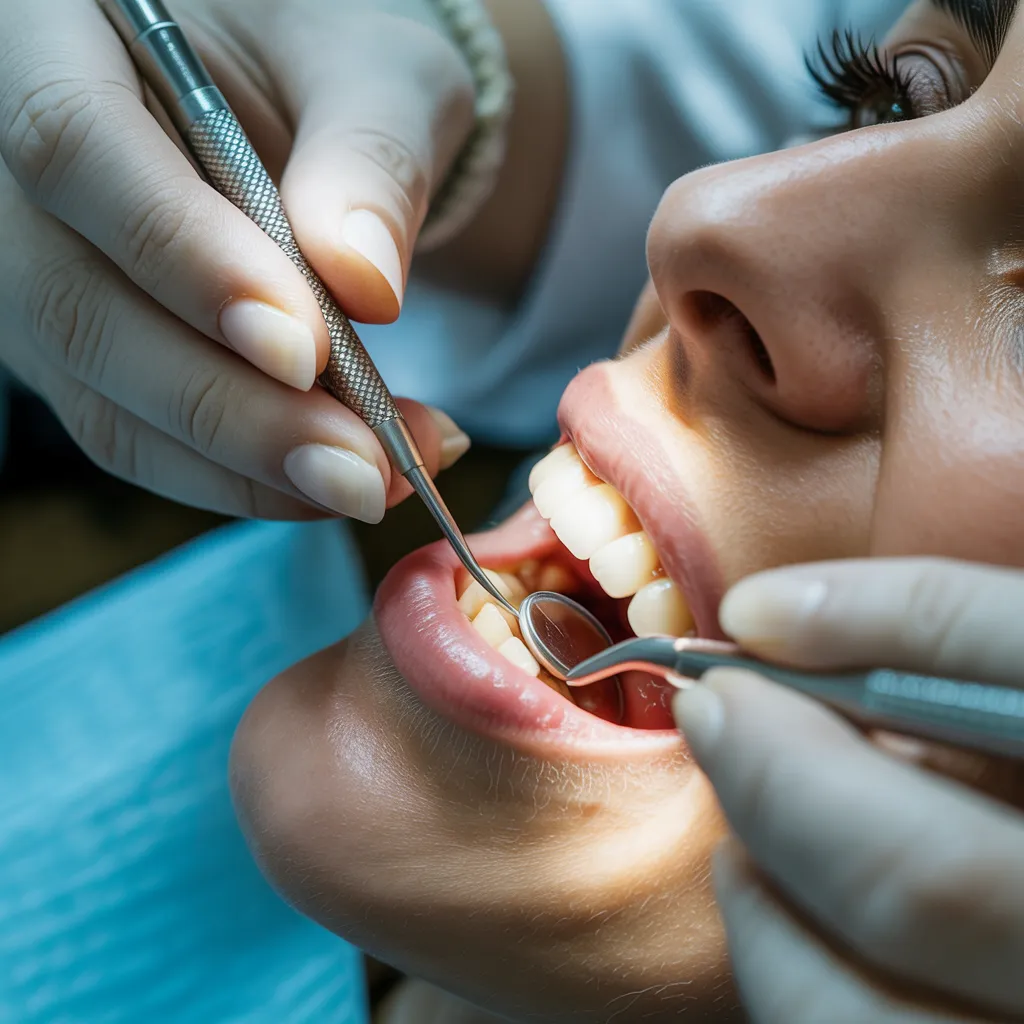
What takes place during a root canal treatment? The procedure generally starts with the dentist applying local anesthesia to numb the treatment area. When the patient is sufficiently numb, the dentist makes an opening in the tooth to gain access to the pulp chamber. The irritated or infected pulp is then methodically eliminated with the use of specialized equipment. Following the cleaning and reshaping of the root canals, the dentist sanitizes the area to remove bacteria.
Next, the canals are sealed with a biologically compatible material called gutta-percha to seal them and prevent future infection. The opening is temporarily closed, and the patient may be advised to come back for a dental crown or lasting filling to restore the tooth's structure and function. During the entire process, the dentist guarantees that the patient remains comfortable, addressing any concerns that arise. At its core, the aim is to alleviate pain and preserve the natural tooth.
Preparing for Tooth Extractions: What You Need to Know
Preparing for a tooth extraction involves several important considerations to secure a successful procedure and healing process. To begin, patients are advised to arrange an appointment with their dental professional to go over their health history, prescribed medications, and potential allergies. Such details assist in identifying the suitable anesthesia options and possible risks.
Patients are often advised to refrain from eating or drinking for several hours before the procedure, especially if anesthesia will be administered. Additionally, organizing a ride home following the procedure is necessary, as anesthesia can compromise driving ability.
Patients should also plan for a recovery period, setting aside time to rest and follow post-operative care instructions. This can involve controlling discomfort with prescribed medications and following dietary guidelines, such as eating soft foods.
What You Need to Know About Fillings: When and Why They Are Required
Dental fillings play a vital role in restoring teeth that have suffered damage from cavities, decay, or trauma, as they support oral health and protect against further complications. Once a dentist detects a cavity, the damaged portion of the tooth is extracted, and the resulting space is filled with an appropriate material. Frequently used filling materials such as amalgam, composite resin, and gold each offer distinct advantages in terms of durability and aesthetics.
Dental fillings are essential not only for relieving discomfort caused by decay but also for stopping bacteria from penetrating the tooth, which could lead to more severe issues such as infections or tooth loss. Consistent dental examinations can aid in recognizing when fillings are needed ahead of time, enabling swift action. Patients may experience some sensitivity post-procedure, but this typically subsides within a few days. Understanding the purpose and process of fillings useful guide can ease anxiety and promote proactive dental care.
What to Expect During a Routine Dental Cleaning?
While many individuals may feel apprehensive about their upcoming appointment, having a regular dental cleaning can be an uncomplicated and valuable procedure. When they arrive, patients generally fill out a health form and can address any questions with the dental hygienist. The cleaning itself usually begins with a thorough examination of the teeth and gums.
Next, the dental hygienist uses professional tools to eliminate plaque and tartar buildup from the teeth. This scaling process is often accompanied by a careful polishing with a slightly abrasive toothpaste, giving teeth a smooth and clean finish. Patients will also be provided with flossing and instruction on effective oral hygiene methods to keep up with oral health at home.
Finally, the dentist will complete a concise checkup, offering advice and recommendations for future dental care. Overall, routine dental cleanings not only boost mouth health but also make a substantial difference to lasting dental health.
The Importance of Dental X-Rays for Your Oral Health
Dental X-rays serve a vital function in preserving oral health by revealing hidden issues that are often not detectable during a regular dental checkup. They empower dental specialists to track a patient's oral health progress over time and plan future treatments effectively. Appreciating the value of these imaging methods is fundamental to achieving excellent dental care.
Detecting Hidden Issues
When people attend their regular dental visits, the value of dental X-rays quickly becomes clear, as these images reveal hidden issues that may go unnoticed during a routine check-up. Dental X-rays function as indispensable resources for identifying cavities hidden between teeth, assessing the condition of the jawbone, and uncovering infections within tooth roots. These images can also reveal problems like teeth that have failed to erupt properly or jawbone deformities. By providing a clearer view of the mouth's internal structures, X-rays enable dental professionals to develop targeted care strategies tailored to individual needs. Without access to these critical imaging tools, numerous dental conditions might remain unidentified, leading to more significant complications. Consistent X-ray screenings are fundamental for preserving optimal oral wellness and preventing future issues.
Monitoring Dental Health
Regular dental appointments frequently include X-rays as an essential component of overseeing oral wellness. These radiographic methods help oral health specialists to discover problems that cannot be seen during a standard examination, including cavities, bone loss, and abnormalities in tooth roots. By delivering a detailed picture of dental anatomy, X-rays support timely detection and treatment, which may avert more severe dental issues. They also help in evaluating the success of current dental procedures and ensuring that any changes in oral health are promptly addressed. Regular X-ray evaluations contribute to a forward-thinking method of sustaining dental wellbeing, ensuring patients receive the necessary care tailored to their specific needs. Overall, X-rays are essential tools for safeguarding long-term oral health.
Organizing Future Treatments
A complete grasp of oral health is strongly supported by the data offered by dental X-rays. These scans act as a critical instrument for dental professionals in developing future treatment strategies. By exposing problems that are often invisible during a conventional examination, X-rays can pinpoint cavities, bone loss, and additional oral conditions in their early phases. This data allows dental professionals to develop customized treatment strategies, guaranteeing prompt action that helps avoid more serious dental problems. Furthermore, X-rays assist in evaluating the progress of current treatments and adjusting approaches when needed. In the end, integrating dental X-rays into regular checkups not only improves patient outcomes but also supports lasting oral health through the proactive handling of emerging issues.
Strategies to Manage Dental Anxiety Before Your Visit
What are some ways patients can successfully handle dental anxiety prior to an appointment? An excellent method is to arrange visits during off-peak hours to limit stress. Incorporating calming techniques, such as controlled breathing or mental visualization, can further help ease tension. Patients could benefit from having a supportive individual accompany them to provide encouragement and a helpful distraction.
Moreover, becoming acquainted with the dental office environment can alleviate apprehension. Many find it beneficial to talk about worries with the dentist beforehand, allowing for a better understanding of the treatments to be performed. Playing music or audio content during the appointment can serve as a effective way to stay relaxed.
As a final strategy, setting up a signaling system with the dentist for breaks can provide a sense of control. As a whole, these techniques enable patients to address their fears, helping make dental appointments easier to handle and less overwhelming.
Questions We Often Receive
How Regularly Should I Go to the Dentist for Check-Ups?
The majority of dental professionals suggest visiting the dentist for check-ups twice a year. That said, patients with certain oral health conditions or increased risk factors could benefit from more regular check-ups to preserve optimal oral health and avoid potential complications.
What Can I Do to Maintain Oral Hygiene at Home?
To keep up with oral hygiene at home, individuals should brush twice daily with fluoride-enriched toothpaste, floss every day, use an antibacterial mouthwash, reduce the intake of sugary foods, and arrange regular dental check-ups for professional advice and treatment.
Is Pain Common During Dental Procedures, and How Is It Managed?
Dental treatments may result in discomfort, but pain management techniques, such as local anesthesia and sedation, are commonly employed. Dentists examine each patient's needs to provide a more comfortable visit during dental work, successfully minimizing any potential pain.
What Should I Eat or Avoid After Dental Procedures?
After dental procedures, one should opt for easy-to-eat foods like soft dairy products and pureed fruits while refraining from consuming hard, crunchy, or spicy options. Staying hydrated with water is essential, and hot beverages should be avoided to prevent discomfort.
What Is the Best Way to Find a Reliable Dentist in My Area?
To identify a reliable dentist, one can request suggestions from family or friends, read online reviews, and check local dental associations. Scheduling consultations can also help assess compatibility and comfort with potential dental professionals.