A Guide to Common Dental Procedures: Knowing What to Expect at Your Visit
Understanding typical dental procedures can greatly minimize apprehension for dental patients. Many individuals feel uncertain about what to expect during their dental appointments. From basic cleanings to intricate procedures, every stage holds significant importance in keeping teeth and gums healthy. Being informed about each procedure can instill reassurance and reduce apprehension. However what specifically unfolds during these dental treatments, and how can an individual plan accordingly? These insights can offer the reassurance needed for an overall more pleasant experience.
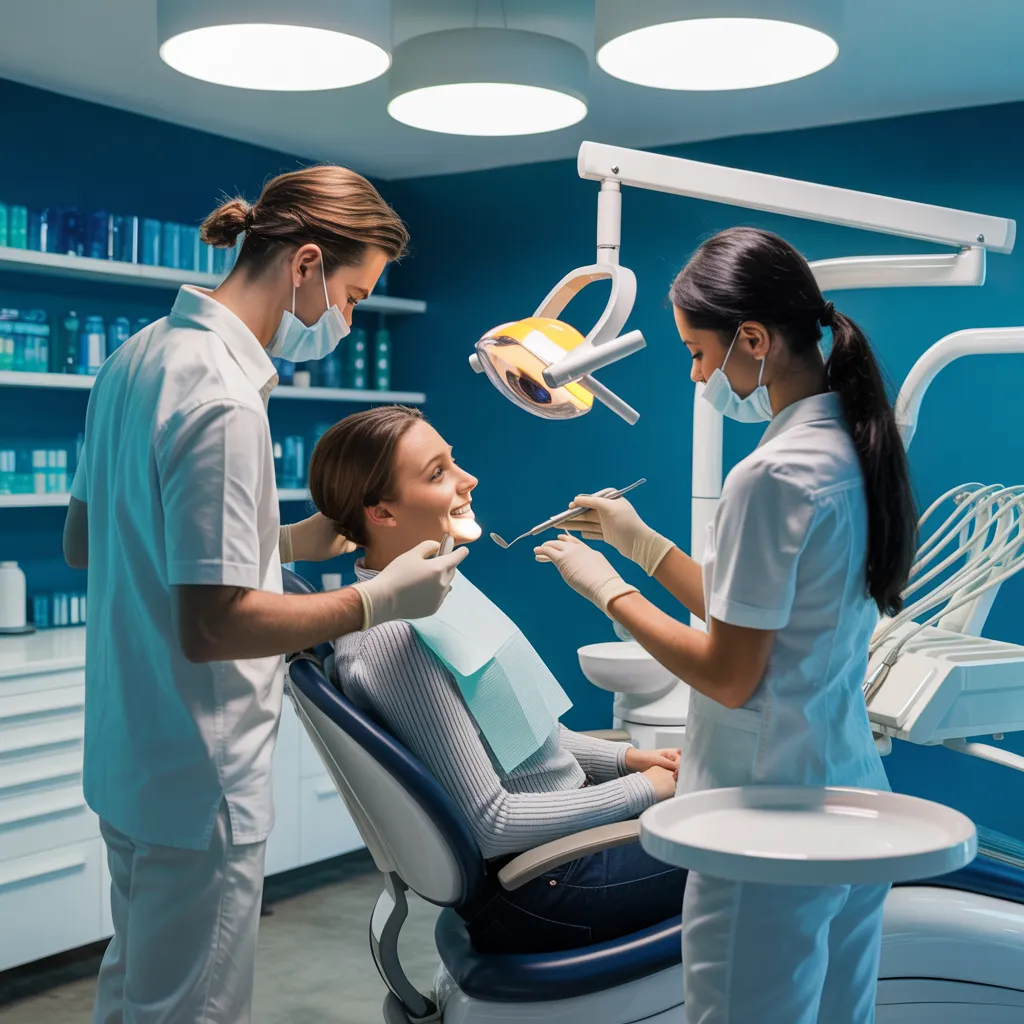
The Root Canal Process: What to Expect
What occurs during a root canal process? The procedure generally starts with the dentist applying local anesthesia to numb the treatment area. Once the patient is comfortable, the dentist creates an opening in the tooth to access the pulp chamber. The damaged or infected pulp is subsequently extracted with precision using specialized dental tools. Following the cleaning and reshaping of the root canals, the dentist sanitizes the area to remove bacteria.
Next, the canals are sealed with a biologically compatible material called gutta-percha to secure them and eliminate the risk of reinfection. The access point is provisionally sealed, and the patient may be advised to schedule a follow-up appointment for a crown or definitive restoration to rebuild the tooth's integrity and functionality. At every stage of the treatment, the dental professional ensures that the patient remains comfortable, responding to any questions or worries that emerge. At its core, the aim is to alleviate pain and preserve the natural tooth.
How to Prepare for Tooth Extractions: Key Information
Preparing for a tooth extraction involves a number of key factors to ensure a seamless treatment and recuperation. First, patients should schedule a consultation with their dentist to discuss their medical history, medications, and any allergies. This information helps determine the appropriate anesthesia and potential complications.
Patients are often advised to refrain from eating or drinking for a few hours before the extraction, especially if anesthesia will be administered. Furthermore, organizing a ride home after the extraction is important, as anesthesia can compromise driving ability.
Patients should also plan for a recovery period, allocating time to rest and adhere to post-surgical care guidelines. This can involve controlling discomfort with prescribed medications and following dietary guidelines, such as eating soft foods.
Fillings Explained: When They Are Necessary and Why
Dental fillings are essential for restoring teeth that have been damaged by cavities, decay, or trauma, as they support oral health and protect against further complications. After a dentist discovers a cavity, the decayed section of the tooth is eliminated, and the area is then filled with a fitting material. Popular filling materials, including amalgam, composite resin, and gold, each deliver unique benefits when it comes to durability and visual appeal.
Fillings are necessary not only to alleviate pain caused by decay but also to prevent bacteria from entering the tooth, which could lead to more severe issues such as infections or tooth loss. Regular dental check-ups can help identify the need for fillings early, ensuring timely intervention. Individuals might notice some sensitivity following the procedure, though this generally fades within a couple of days. Understanding the purpose and process of fillings can ease anxiety and promote proactive dental care.
What to Expect During a Routine Dental Cleaning?
Even though numerous patients may feel anxious about their next appointment, undergoing a standard dental cleaning can be a simple and rewarding experience. After checking in, patients commonly submit a health intake form and have the opportunity to share any worries with the dental hygienist. The cleaning process generally commences with a detailed inspection of the teeth and gum tissue.
Following this, the hygienist uses specific tools to get rid of plaque and tartar buildup from the teeth. This teeth scaling is typically accompanied by a mild polishing with a fine-grit toothpaste, making teeth feel fresh and polished. Patients will also be provided with flossing and guidance on effective oral hygiene methods to keep up with oral health at home.
In the final step, the dentist will perform a short assessment, providing guidance and suggestions for continued care. Overall, scheduled dental cleanings not only boost mouth health but also play a major role to lasting dental health.
The Importance of Dental X-Rays for Your Oral Health
Dental radiographs play a critical role in maintaining oral health by revealing hidden issues that are often not detectable during a routine examination. They empower dental specialists to track a patient's oral health progress over time and strategically plan upcoming treatments. Appreciating the value of these imaging methods is essential for ideal dental care.
Detecting Hidden Issues
When patients visit their dentist for routine check-ups, the importance of dental X-rays often becomes apparent, as these images reveal hidden issues that may go unnoticed during report a routine check-up. Dental X-rays are vital tools for detecting cavities between teeth, evaluating bone health, and detecting root-level infections. These images can also reveal problems like impacted teeth or jawbone abnormalities. By providing a clearer view of the mouth's internal structures, X-rays allow dentists to craft precise treatment approaches designed to address specific patient concerns. Without access to these critical imaging tools, many oral health problems could go undetected, resulting in more severe health consequences. Regular X-ray evaluations are essential for maintaining ideal dental health and reducing the risk of developing serious conditions in the future.
Managing Dental Health
Regular dental appointments often incorporate X-rays as an essential component of overseeing oral wellness. These radiographic methods help oral health specialists to discover problems that cannot be seen during a conventional dental assessment, including tooth decay, bone deterioration, and irregularities in dental roots. By providing a thorough view of the mouth, X-rays support timely detection and treatment, which can prevent more serious complications. They also help in evaluating the progress of active therapies and making certain that shifts in dental health receive immediate attention. Periodic X-ray examinations promote a preventive strategy for preserving oral wellness, guaranteeing individuals obtain personalized treatment suited to their unique requirements. Overall, X-rays are essential tools for safeguarding long-term oral health.
Preparing for Future Treatments
A thorough understanding of oral health relies heavily on the insights provided by dental X-rays. These images serve as a vital tool for dentists in planning future treatments. By exposing problems that are often invisible during a conventional examination, X-rays can identify cavities, bone loss, and other dental conditions early. This knowledge empowers practitioners to create personalized care plans, guaranteeing prompt action that helps avoid more serious dental problems. Moreover, X-rays play a role in tracking the success of active treatments and modifying plans accordingly. In the end, integrating dental X-rays into regular checkups not only improves patient outcomes but also supports lasting oral health through the proactive handling of emerging issues.
How to Ease Dental Anxiety Before Your Appointment
What are some ways patients can successfully handle dental anxiety prior to an appointment? A helpful approach is to book appointments during quieter periods to reduce stress. Practicing relaxation methods, such as deep breathing or guided imagery, can similarly help soothe anxiety. Patients might think about bringing a trusted companion to offer reassurance and divert attention.
Furthermore, getting accustomed to the dental office environment can ease apprehension. It is often helpful to discuss concerns with the dentist beforehand, providing a better understanding of the steps that will take place. Enjoying music or podcasts during the appointment can function as a effective distraction.
Finally, establishing a set of signals with the dentist for rest periods can create a sense of control. In summary, these techniques enable patients to overcome their fears, ensuring dental check-ups easier to handle and less overwhelming.
Popular Questions Answered
How Regularly Should I Go to the Dentist for Check-Ups?
Most dentists advise having dental examinations twice a year. That said, patients with certain oral health conditions or increased risk factors could benefit from more regular check-ups to preserve optimal oral health and avoid potential complications.
What Can I Do to Maintain Oral Hygiene at Home?
To preserve oral hygiene at home, one should brush two times a day with a fluoride-based toothpaste, floss every day, use an antibacterial mouthwash, cut back on sugary foods, and schedule routine dental check-ups for professional advice and treatment.
Are Dental Treatments Painful, and How Is Pain Controlled?
Dental treatments may result in discomfort, but pain relief methods, such as sedation and local anesthesia, are widely used. Dentists examine each patient's needs to guarantee a more comfortable experience during treatments, minimizing potential pain effectively.
What Are the Dietary Guidelines After Dental Procedures?
After dental procedures, patients should select easy-to-eat foods like yogurt and applesauce while steering clear of hard, crunchy, or spicy foods. Maintaining proper hydration through water intake is important, and warm drinks ought to be skipped to prevent discomfort.
How Do I Locate a Quality Dentist Near Me?
To identify a reliable dentist, people can ask for referrals from friends or family members, check online feedback, and check local dental associations. Scheduling consultations can also help assess compatibility and comfort with potential dental professionals.